
What is the Most Common Cause of Female Infertility? Understanding Your Path to Conception
For many women, the journey to motherhood is a smooth path. For others, it can be a frustrating and emotional road filled with questions. If you have been trying to conceive for over a year (or six months if you are over 35) without success, you are not alone.
At Sri Kota Specialist Medical Centre, the “Heart of Healthcare” in Klang, we believe that understanding the root cause of the struggle is the first step toward a solution. In this guide, we explore the most common cause of female infertility and other factors that may be affecting your fertility journey.
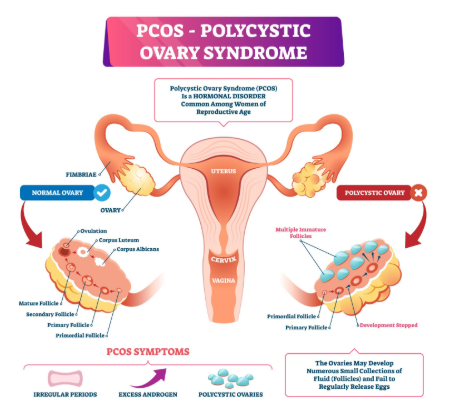
The Leading Culprit: Polycystic Ovary Syndrome (PCOS)
Statistics show that ovulation disorders are responsible for about 25% to 40% of all female infertility cases. Within this category, Polycystic Ovary Syndrome (PCOS) is widely recognized as the most common cause of female infertility.
PCOS is a hormonal imbalance that disrupts the normal ovulation process. It accounts for approximately 70% of all cases of anovulatory infertility (infertility caused by the failure to release an egg).
How PCOS Affects Fertility:
- Irregular Ovulation: The body may not release an egg every month, making it difficult to track a “fertile window.”
- Hormonal Imbalance: Higher levels of androgens (male-type hormones) can interfere with the development and release of eggs.
- Insulin Resistance: Many women with PCOS have higher insulin levels, which can further aggravate hormonal imbalances.
Other Frequent Causes of Female Infertility
While PCOS is the most common, fertility is a complex biological puzzle. Other significant factors include:
1. Tubal Factors (20% – 35%)
Damaged or blocked fallopian tubes prevent the sperm from reaching the egg or stop the fertilized embryo from reaching the uterus. This is often caused by:
- Pelvic Inflammatory Disease (PID).
- Previous surgeries or infections.
- Endometriosis: A condition where tissue similar to the uterine lining grows outside the uterus, causing scarring.
2. Uterine Issues (10% – 15%)
Structural problems within the uterus can interfere with implantation. These include:
- Uterine Fibroids: Non-cancerous growths in the uterine wall.
- Polyps: Small growths in the lining of the uterus.
- Adhesions: Scar tissue from previous procedures.
3. Age-Related Decline
As women age, both the quantity and quality of their eggs naturally decrease. This decline becomes more rapid after the age of 35, making early consultation vital.
It’s Not Just a Female Issue: The Male Factor
It is a common misconception that infertility is solely a female concern. In reality, male factor infertility contributes to nearly 30% to 50% of all cases where a couple struggles to conceive.
Common male factors include:
- Low Sperm Count or Motility: Often caused by a varicocele (enlarged veins in the scrotum).
- Hormonal Imbalances: Such as low testosterone.
- Lifestyle Factors: Obesity, smoking, and environmental toxins affect sperm health just as much as they affect female fertility.
Treatment Solutions: Turning “Not Yet” into “Soon”
The good news is that medical science has advanced rapidly. At Sri Kota, we offer a range of solutions tailored to your specific diagnosis:
- Ovulation Induction: For women with PCOS, medications like clomiphene or letrozole can help stimulate regular egg release.
- Minimally Invasive Surgery: To clear tubal blockages or remove fibroids/endometriosis.
- Advanced Assisted Reproduction: Including IVF (In Vitro Fertilization) and IUI (Intrauterine Insemination) for more complex cases.
- Lifestyle Guidance: Personalized nutrition and weight management plans to optimize natural fertility.
| Aspect | Female Factors | Male Factors |
| Leading Cause | PCOS (Ovulation disorders) | Varicocele / Sperm motility |
| Prevalence | 25–40% of cases | 30–50% of cases |
| Key Treatment | Hormonal therapy / IVF | Lifestyle change / ICSI |
When Should You See a Specialist in Klang?
Timing is crucial when it comes to reproductive health. You should consider booking a consultation at Sri Kota if:
- You are under 35 and have been trying to conceive for 12 months.
- You are 35 or older and have been trying for 6 months.
- You have irregular periods, known PCOS, or a history of pelvic infections.
Take the First Step at Sri Kota
Identifying the most common cause of female infertility is just the beginning. Our dedicated Fertility Unit at Sri Kota Specialist Medical Centre is equipped with the technology and empathy needed to help you navigate this journey.
Don’t wait for answers. Let our specialists help you today.