
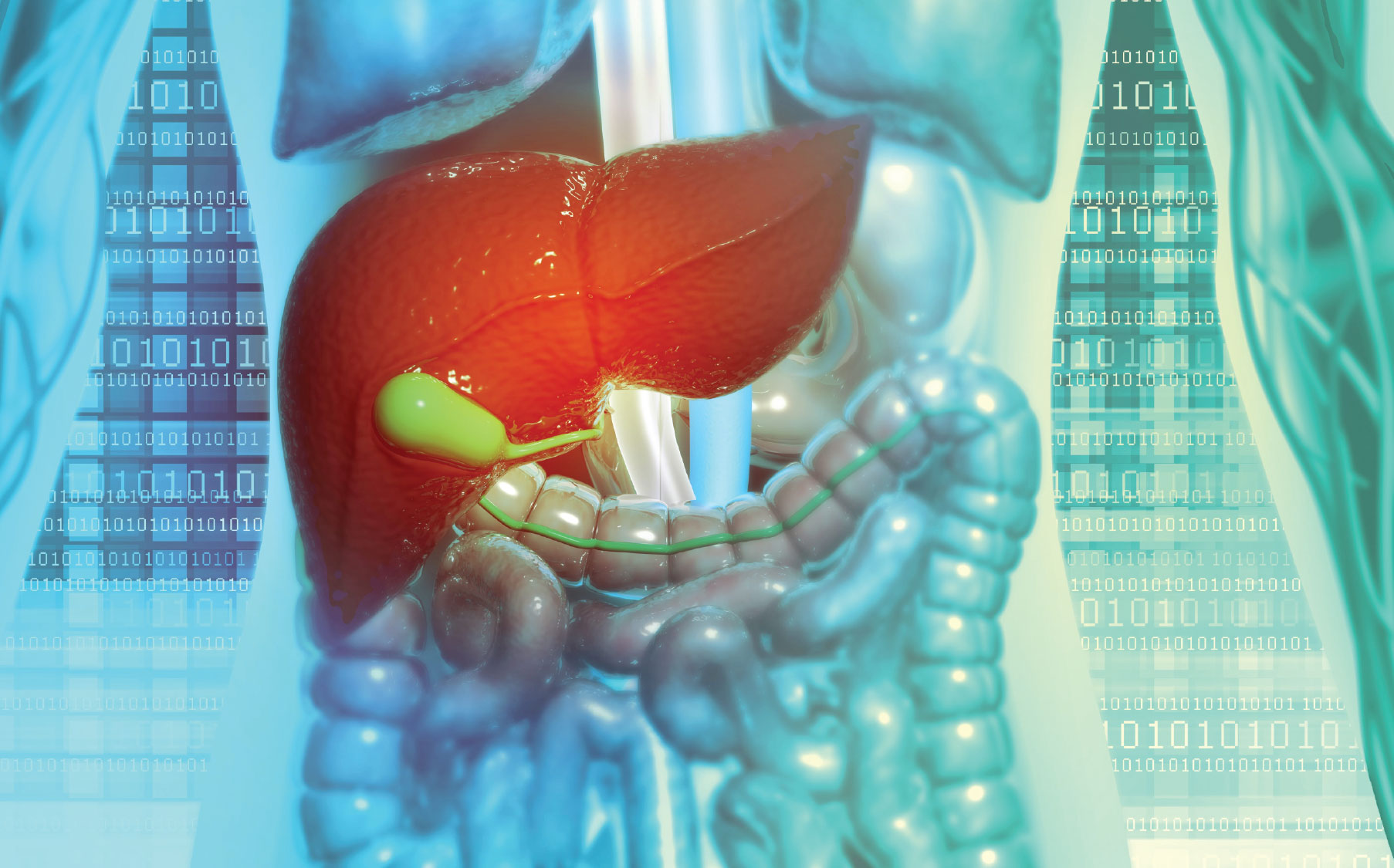
Gallbladder disease is a common digestive condition that can cause sudden abdominal pain, nausea, and discomfort after meals. Understanding the warning signs of gallstones and gallbladder inflammation can help patients seek timely treatment and avoid complications.
Digestive discomfort after meals, especially fatty foods, is often dismissed as minor. However, recurring upper abdominal pain may indicate a gallbladder problem.
Gallstones are among the most common digestive disorders worldwide, affecting about 10–15% of adults in many developed countries. In Malaysia, gallbladder disease is frequently encountered in clinical practice, with obesity, metabolic conditions and diet contributing to symptoms.
Although many people with gallstones remain symptom-free, complications can occur when stones block the flow of bile. Recognising early symptoms allows timely medical evaluation and treatment.
What Is the Gallbladder?
The gallbladder is a small, pear-shaped organ located beneath the liver. Its main role is to store and concentrate bile, a digestive fluid produced by the liver that helps break down fats. When food enters the digestive system, the gallbladder releases bile into the small intestine through the bile duct. This process helps the body digest fats and absorb certain nutrients. Problems can occur when bile flow becomes blocked or when solid deposits form inside the gallbladder.
What Are Gallstones?
Gallstones are hardened deposits formed from substances found in bile, most commonly cholesterol. They can range in size from tiny grains to larger stones. Many people with gallstones may not experience symptoms. However, pain can occur when a stone blocks the bile duct.
This type of pain, often called biliary colic, may develop suddenly and is commonly triggered after consuming fatty meals. Symptoms may include:
- Pain in the upper right abdomen
- Pain that spreads to the back or right shoulder
- Nausea or vomiting
- Bloating or indigestion after meals
While some gallstones remain silent for years, symptomatic cases require medical evaluation.
What Is Cholecystitis?
Cholecystitis refers to inflammation of the gallbladder, most caused by gallstones blocking the gallbladder duct. When bile cannot drain properly, pressure builds inside the gallbladder, leading to irritation, inflammation, and sometimes infection.
Cholecystitis often produces more severe symptoms than simple gallstone pain, including:
- Persistent pain in the upper right abdomen
- Fever or chills
- Nausea and vomiting
Acute cholecystitis requires prompt medical attention to prevent complications.
If you have any concern, do contact us at 03-3375 7799 @ ext 7202
by Dr. Ahmad Muhsin Mohammad Nor, Consultant General & Endo-laparoscopic Surgeon
Note: Part 2 to be continued next month.